
Land, Sea, Air
Defense & Aerospace: Unmanned airborne, sea, and land drones; aircraft
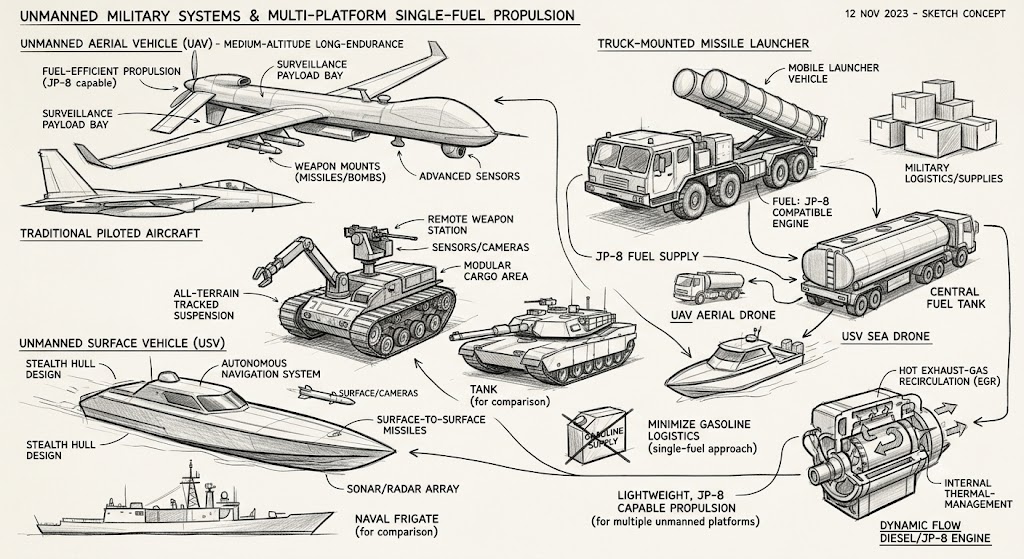
The Russia-Ukraine war highlighted the strategic shift toward lightweight, inexpensive unmanned air, sea, and land drones capable of precision strikes and surveillance without risking personnel. However, powering small drones creates a distinct logistical challenge. Most heavy military equipment runs on single-fuel JP-8, while small drones typically rely on spark-ignition gasoline engines. Transporting separate fuel supplies increases logistics costs and complexity, yet existing lightweight small engines struggle to run reliably on JP-8 due to poor low-temperature combustion control and heavy compression-ignition designs.
Dynamic Flow engine technology solves this issue by using integrated hot exhaust-gas recirculation (EGR) to maintain proper combustion temperatures. This enables a lightweight, air-cooled engine to run efficiently on heavy fuels like JP-8 while delivering high power density. When integrated into drone fleets, this single-fuel capability streamlines military fuel distribution, lowers operating costs, and expands payload capacity and range. Additionally, the gasoline variant of the Dynamic Flow engine projects a 45% horsepower increase over comparable current engines, offering a versatile, high-performance propulsion platform for diverse defense and aerospace applications.
Road
Commercial & Consumer Vehicles: Automobiles, motorbikes, industrial diesel trucks
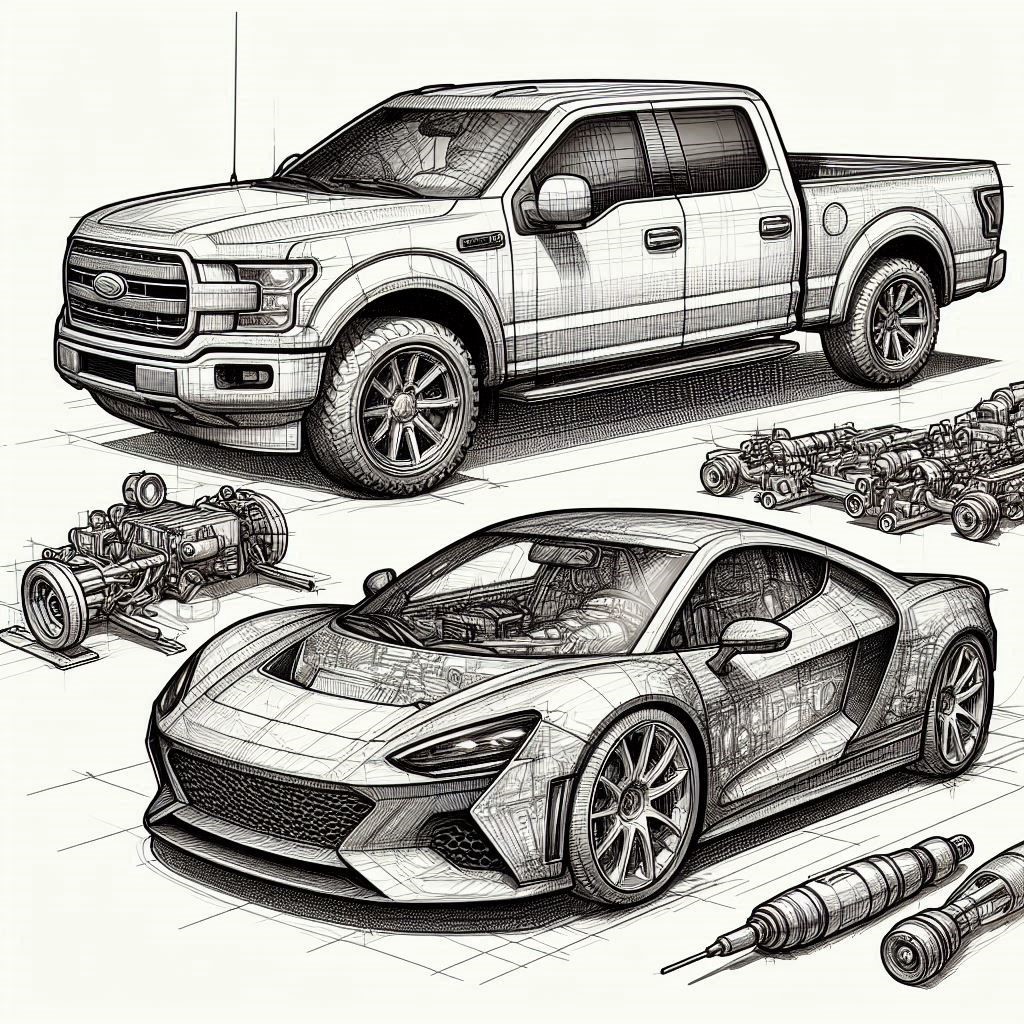
Dynamic Flow engine technology significantly improves thermal efficiency across commercial and consumer vehicles, reducing fuel consumption and carbon dioxide emissions by up to 58.3% in light trucks and passenger cars. While automakers currently rely on small, highly stressed turbocharged engines and wear-inducing start-stop systems to meet stringent regulations, Dynamic Flow utilizes variable displacement to match power demand dynamically. This superior airflow architecture allows manufacturers to build reliable, larger-displacement engines with strong low-end torque while eliminating the need for frequent engine restarts or complex cylinder deactivation.
The technology’s compact design is especially transformative for motorcycles and small vehicles long restricted by tight packaging constraints. By replacing bulky external components with an integrated internal exhaust-gas recirculation (EGR) system, Dynamic Flow enables advanced emissions management without added bulk, potentially cutting motorcycle fuel consumption and emissions by up to 71.6%. This offers a high-performance, cost-effective propulsion platform that slashes urban pollution and operating costs, particularly in emerging markets dependent on small-engine transportation.
Road
Heavy Industry & Maritime: Marine vessels, industrial machinery, stationary generators
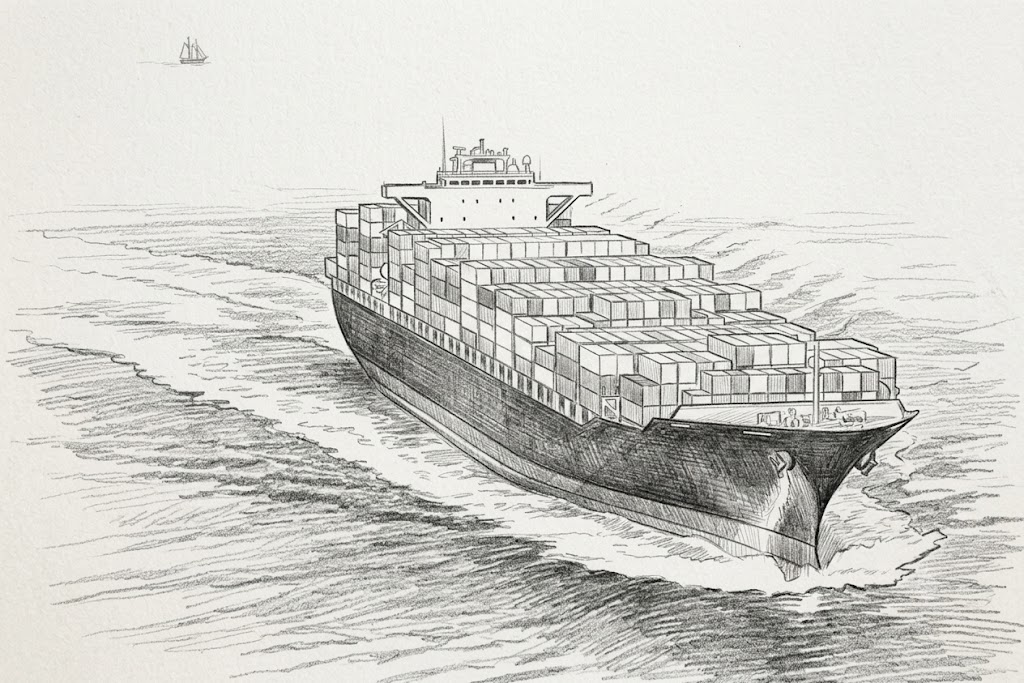
While conventional two-stroke marine diesel engines achieve roughly 48% thermal efficiency through high gas flow, they cannot effectively replicate the extended expansion of an Atkinson cycle. Dynamic Flow engine technology bridges this gap by merging the massive gas-flow capacity of a two-stroke engine with the valve control and extended duration of a four-stroke architecture. This enables diesel operation on a simulated Atkinson cycle, driving projected thermal efficiency up to 75%.
Additionally, the engine incorporates an infinitely variable internal exhaust-gas recirculation (EGR) system to replace conventional lean-burn, partial-load operations that typically produce elevated nitrogen oxide (NOx) emissions. Operating closer to an optimized stoichiometric air-fuel ratio reduces both fuel injection needs and NOx formation. For maritime vessels, stationary generators, and heavy industrial machinery, this translates to a 30% reduction in fuel consumption and carbon dioxide emissions, representing billions of dollars in potential annual fuel savings globally. Because Dynamic Flow leverages established internal combustion manufacturing processes, it offers a cost-effective, practical pathway toward cleaner diesel power without sacrificing the durability and scalability heavy industry demands.
Multi-Fuel
Alternative Fuels: Direct integration with hydrogen combustion systems
While conventional internal combustion engines can be adapted to burn hydrogen, high combustion temperatures frequently generate elevated nitrogen oxide (NOx) emissions under partial-load conditions. Dynamic Flow engine technology mitigates this issue using an integrated, infinitely variable internal exhaust-gas recirculation (EGR) system. By precisely controlling recirculated exhaust gas without the airflow and charging losses of external EGR systems, the technology regulates combustion temperatures and suppresses NOx formation across a broad operating envelope.
Beyond hydrogen, the platform provides robust multi-fuel versatility without requiring fundamental engine redesigns or physical performance trade-offs. By combining Atkinson-cycle operation, turbocharging, high-flow valve architecture, and variable internal EGR, the engine adapts to different fuel characteristics and compression demands through electronic valve-timing adjustments. This flexible control strategy controls combustion temperatures and mitigates engine knock across varying fuels, offering a practical, high-efficiency powertrain platform that extends existing combustion infrastructure into a lower-carbon future.