
Dynamic Flow Engine: A Paradigm Shift in Valve Technology
The Dynamic Flow engine redefines traditional 4-stroke and 2-stroke engine technology by introducing an innovative valve configuration that addresses the limitations in thermal efficiency and power output inherent in conventional designs.
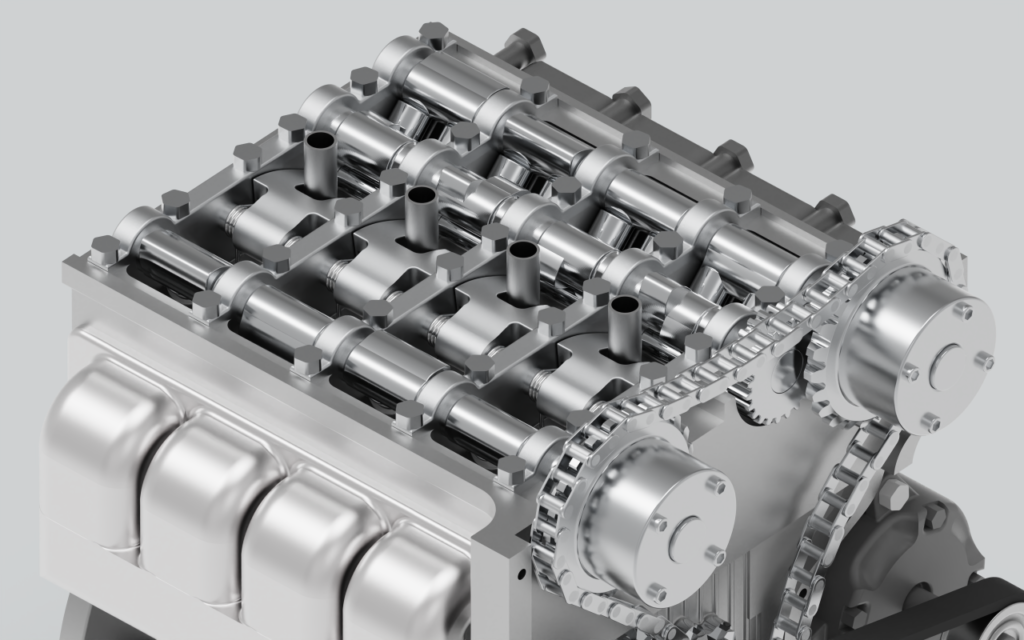
Challenges in Conventional 4-Stroke and 2-Stroke Engines:
For more than a decade, improvements in the thermal efficiency of conventional internal combustion engines have largely stagnated. At Dynamic Alpha Automotive Technology, we have identified that restricted gas flow capacity in both 2-stroke and 4-stroke engines is the primary bottleneck limiting performance and efficiency gains. In modern engines, the intake and exhaust gas exchange directly impacts energy generation. However, 2-stroke engines suffer from extremely short gas flow durations, while conventional 4-stroke engines suffer from restricted intake and exhaust flow rates compared to 2-strokes. These inherent limitations prevent both traditional engine architectures from reaching their full potential.
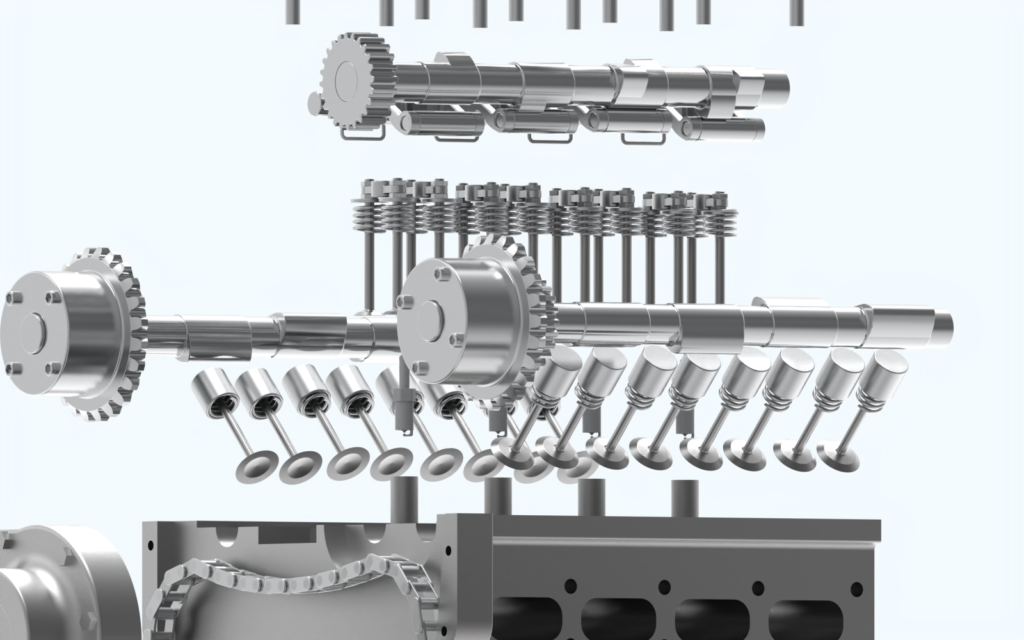
The Dynamic Flow Engine Advantage:
The Dynamic Flow engine overcomes these structural limitations by relocating the intake and exhaust valves outside of the cylinder and combustion chamber. This structural change accommodates significantly larger valves, enabling dramatically higher gas flow rates. Central to this innovation is the proprietary “Main Cylinder Valve,” a dual-purpose component that functions as an intake valve during the intake stroke and an exhaust valve during the exhaust stroke. Operating on a 4-stroke cycle, the engine maintains extended gas flow durations while leveraging higher flow rates, allowing it to outperform both conventional 2-stroke and 4-stroke technologies.
High-Power and High-Efficiency Design Flexibility:
Thanks to its increased gas flow capacity, the Dynamic Flow engine offers the versatility to target maximum power, optimized efficiency, or a blend of both. In a performance-oriented configuration, valve sizes can be expanded by up to 44%, yielding an estimated 44% increase in power output compared to conventional 4-stroke engines. Alternatively, for a high-efficiency configuration, the engine can adopt an undersquare geometry—where the cylinder bore is smaller than the stroke length—to maximize thermal efficiency while maintaining power output equivalent to current conventional 4-stroke engines.
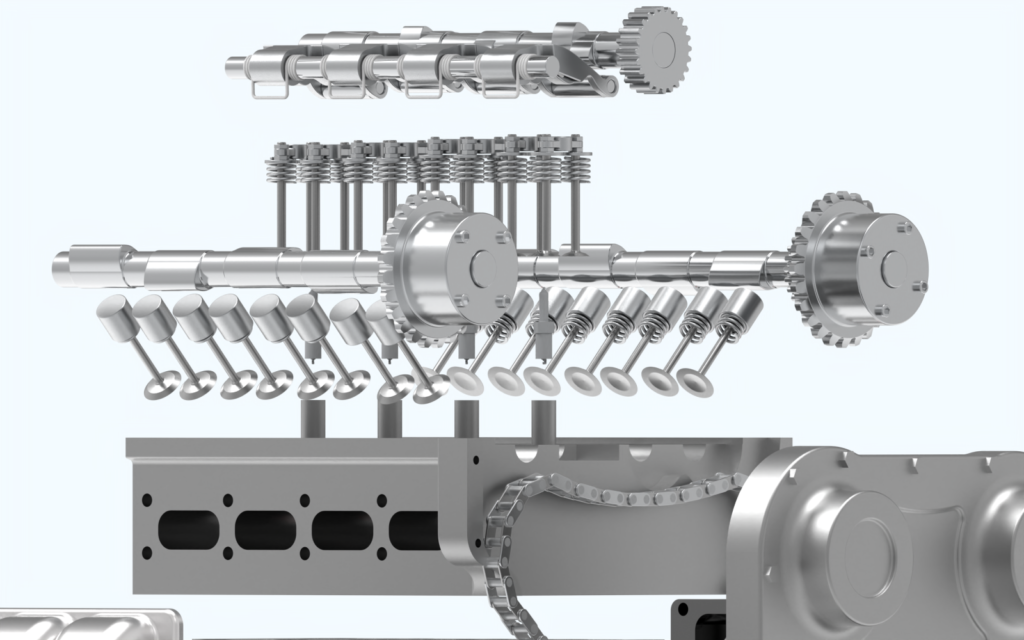
Core Advantages of Engine with Higher Gas Flow Capacity:
The Dynamic Flow engine’s larger gas flow capacity allows it to achieve significantly higher thermal efficiency than current 4-stroke engines. Dynamic Flow gasoline and diesel engines can reach thermal efficiencies of 48% or higher, marking a substantial improvement in 4-stroke engine technology.
Computation Fluid Dynamics Study of a High Performance Conventional 4-Stroke Engine
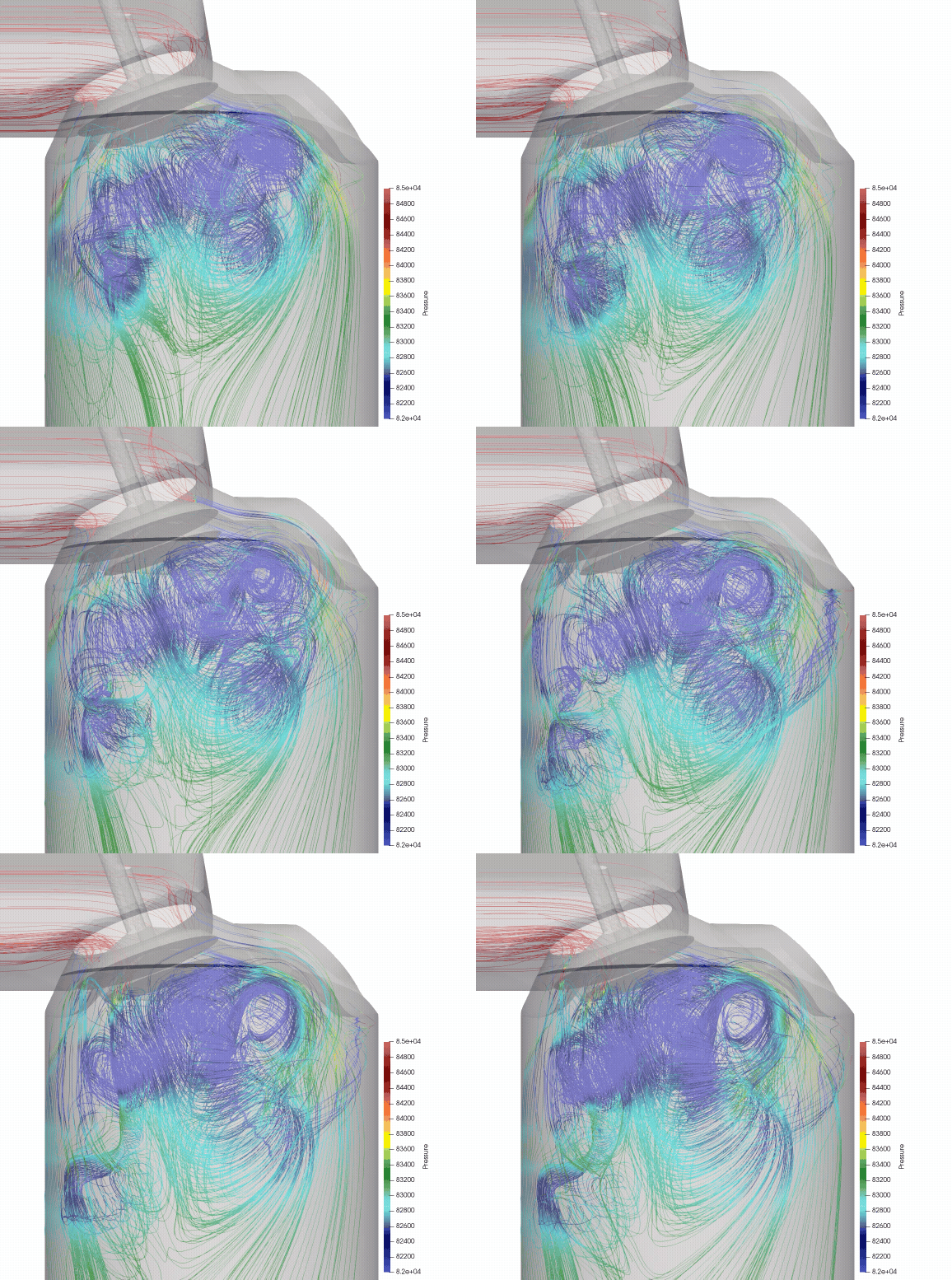
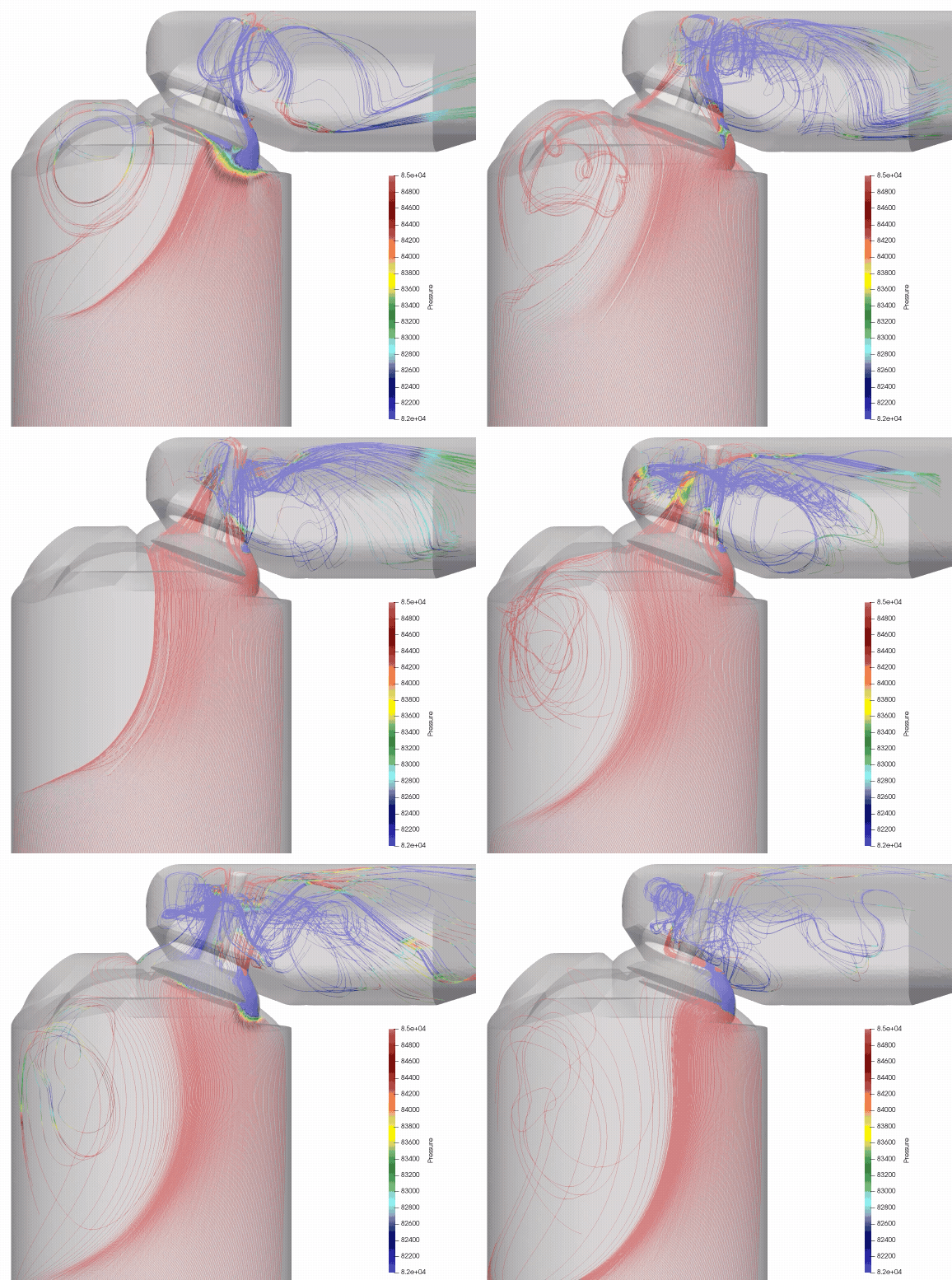
Conventional Engine Intake Flow
Conventional Engine Exhaust Flow
In our OpenFOAM computational fluid dynamics (CFD) study of a single-cylinder, conventional 4-stroke engine with a bore diameter of 5.5 inches, the intake and exhaust valves were set to the maximum size allowed by the cylinder bore, with a volumetric flow rate of 200 liters per second. We observed a 10.13% pressure drop in the intake airflow and a 30.67% pressure drop in the exhaust gases flow. These pressure drops indicate restrictions in gas flow, with lower pressure drops being more favorable. Higher pressure drops signal increased valve restrictions, which negatively impact engine efficiency and performance.
Computation Fluid Dynamics Study of a High Performance Dynamic Flow Engine
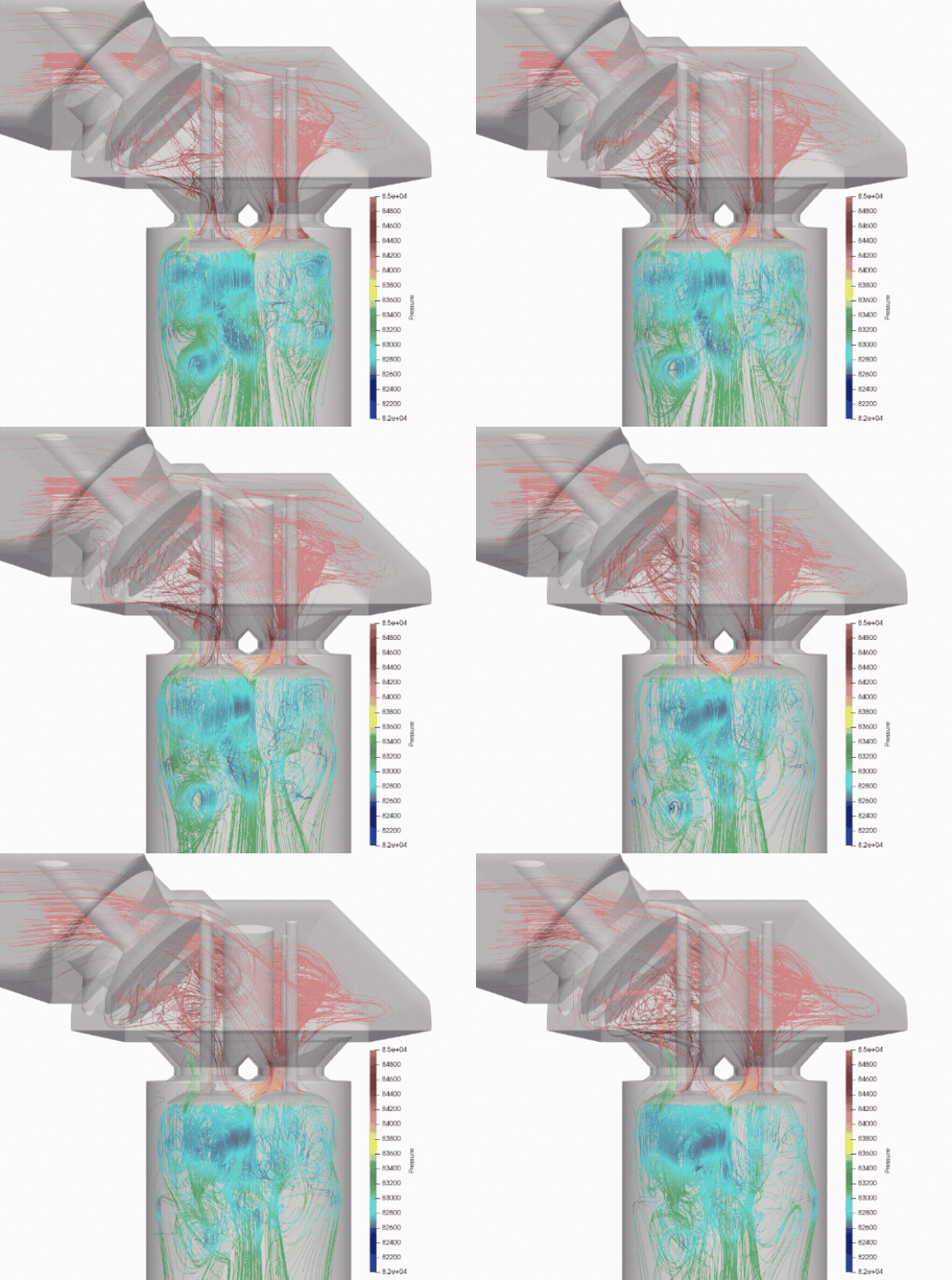
Dynamic Flow Engine Intake Flow
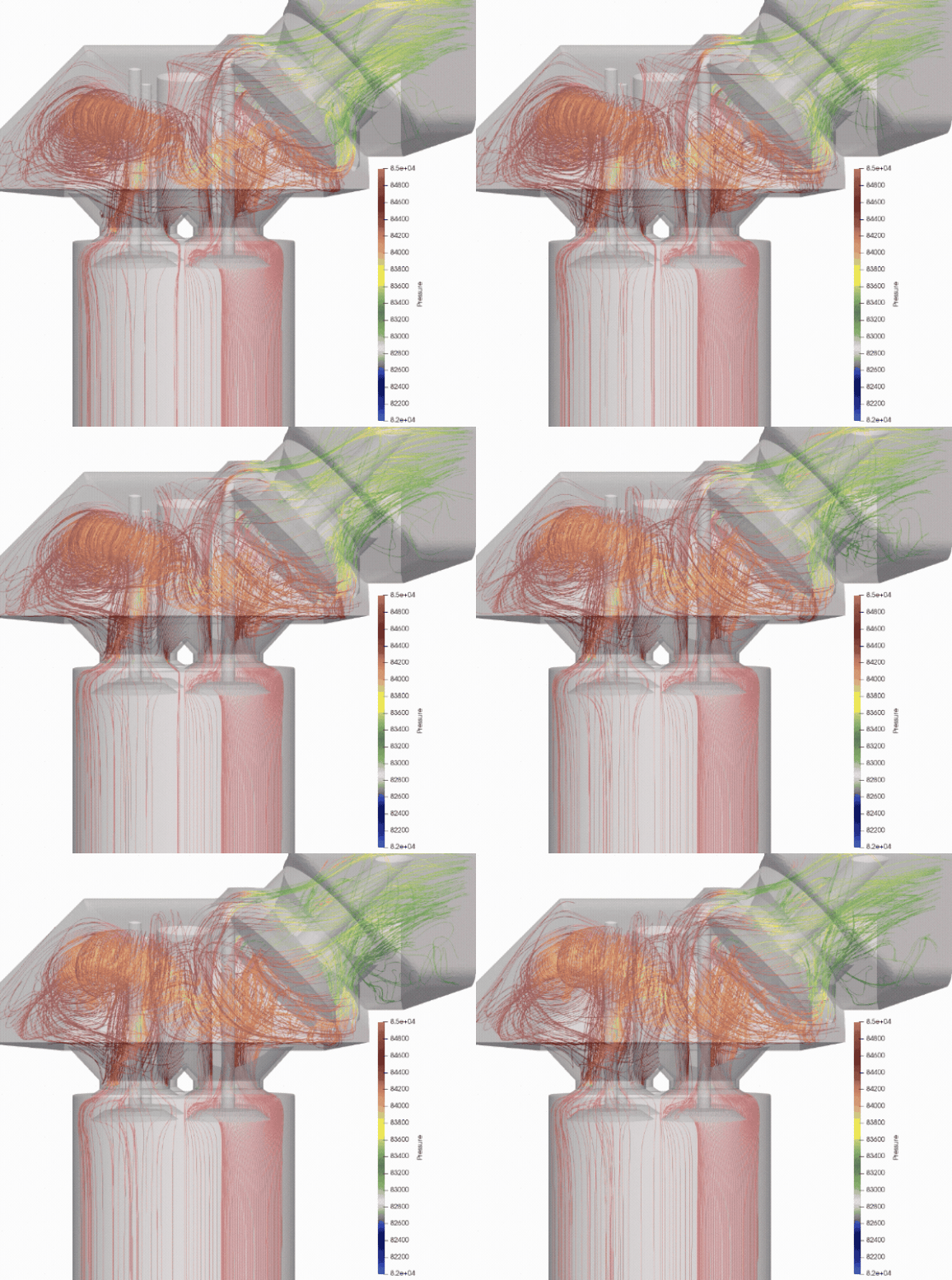
Dynamic Flow Engine Exhaust Flow
Our OpenFOAM CFD study of a single-cylinder Dynamic Flow engine with a bore diameter of 5.5 inches, the main cylinder valve was set to the maximum size permitted by the cylinder bore, with a volumetric flow rate of 200 liters per second. We observed a 3.79% pressure drop in the intake airflow and a 4.16% pressure drop in the exhaust gas flow. Comparing the CFD pressure data between the conventional 4-stroke engine and the Dynamic Flow engine, we can conclude that the Dynamic Flow valve system has superior gas flow compare to conventional 4-stroke engine valve system with a similar bore size.
Computation Fluid Dynamics Study of a High Efficiency Dynamic Flow Engine
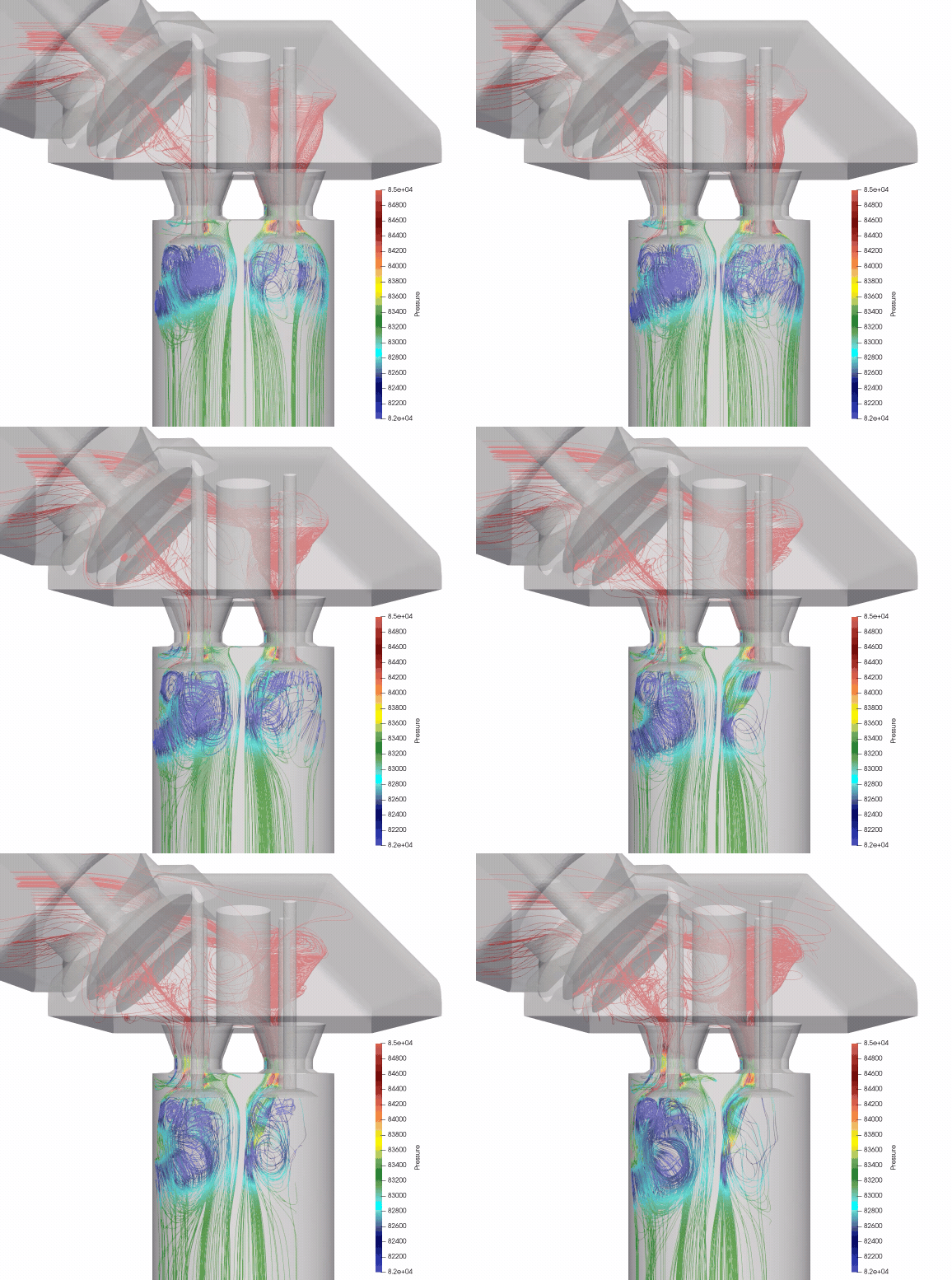
Dynamic Flow Engine Intake Flow with Smaller Bore Diameter
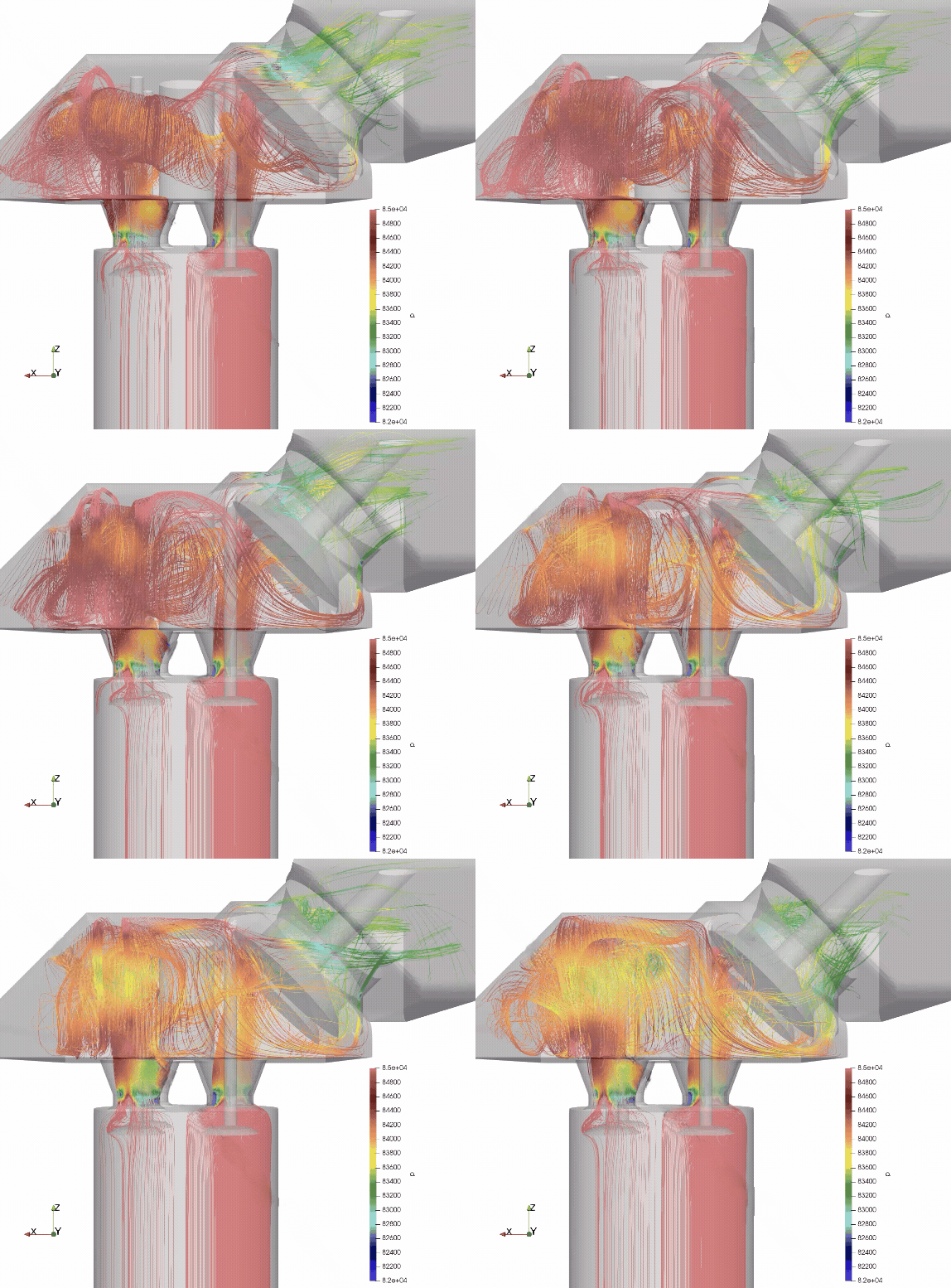
Dynamic Flow Engine Exhaust Flow with Smaller Bore Diameter
Our OpenFOAM CFD study of a single-cylinder Dynamic Flow engine with a bore diameter of 4.57 inches, we reduced the main cylinder valve size by 33.4% to imitate engine with smaller undersquare bore design, volumetric flow rate were set at 200 liters per second. This bore size and valves size adjustment resulted in a 7.09% pressure drop in intake airflow and a 7.54% pressure drop in exhaust gas flow. When comparing the CFD pressure data between the conventional 4-stroke engine with a 5.5-inch bore and the Dynamic Flow engine with the reduced bore size of 4.57 inches, we found that the Dynamic Flow valve system, even with a smaller bore, surpasses the conventional 4-stroke engine valve system in gas flow capacity.