
Overview of Exhaust Gas Recirculation and Conventional Engine Limitations:
Exhaust Gas Recirculation has served as a vital pollution control method in road vehicles for decades, primarily used to limit nitrogen oxide emissions. Traditional four-stroke and two-stroke engines rely on external systems that collect exhaust, pass it through an external cooler, and route it back into the intake stream to lower combustion temperatures. However, this conventional approach is heavily constrained. Cooled external systems can only operate effectively during low-load conditions, excluding both idling and high-load performance. Because external recirculation functions across only a small fraction of total engine operation, its ability to curb global vehicle emissions remains inherently limited.
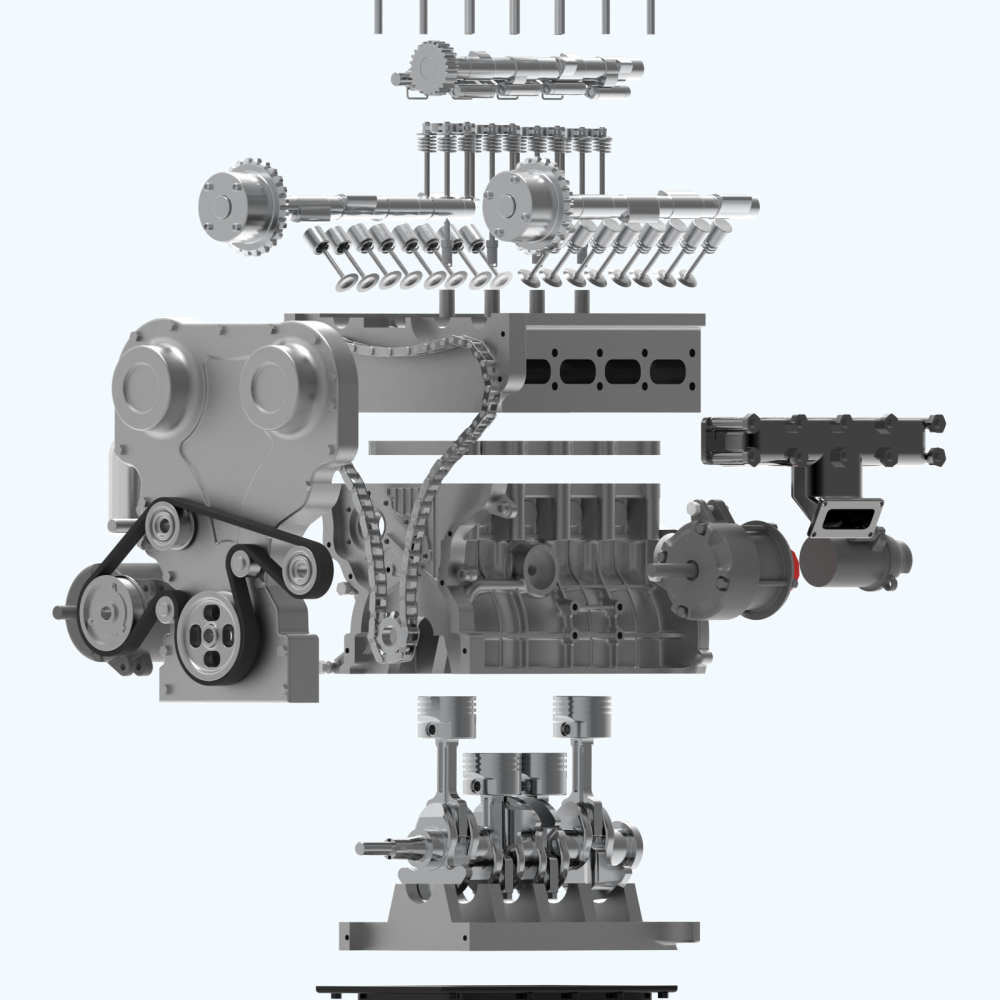
The Dynamic Flow Integrated Hot EGR Advantage:
Dynamic Flow technology transforms emission control by replacing auxiliary external system with an integrated, hot exhaust gas recirculation system built directly into the engine architecture. Governed by advanced variable valve timing, this system can adjust the volume of recirculated exhaust gas in precise five-percent increments. This level of granular control is unattainable in conventional engines, allowing the Dynamic Flow engine to actively manage emissions across all operational loads. By extending gas recirculation to every driving condition, widespread adoption of this architecture could prevent billions of tons of nitrogen oxides and other harmful pollutants from entering the atmosphere.
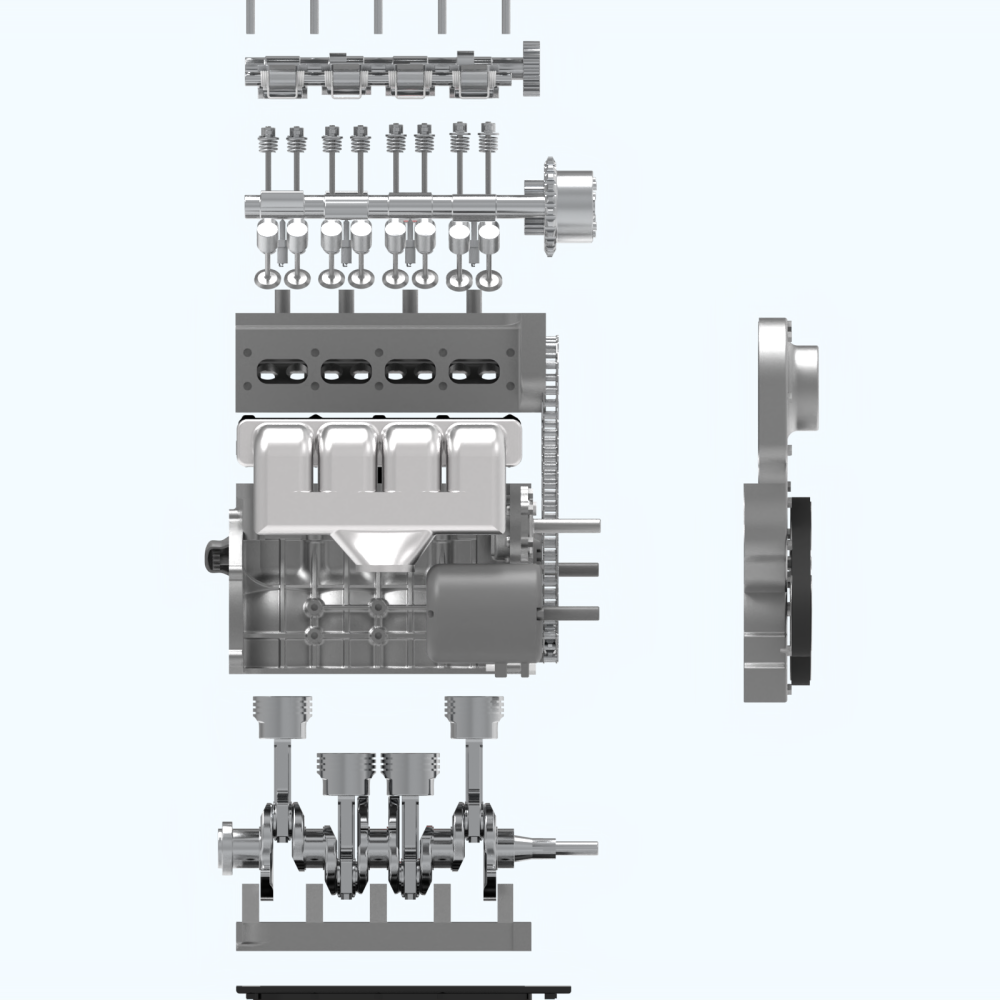
Driving Universal Stoichiometric Combustion Across Fuel Platforms:
Beyond controlling emissions, this precise hot internal recirculation system fundamentally redefines fueling strategies for both gasoline and diesel engines. Conventional gasoline engines are forced to run rich under many operating conditions to suppress high emissions, wasting substantial amounts of fuel. The Dynamic Flow engine uses its hot recirculated gases to displace fresh intake air with surgical accuracy, enabling the fuel system to maintain an optimal stoichiometric air-fuel ratio at all times. This constant stoichiometric operation yields drastic real-world fuel savings for gasoline applications. Similarly, while traditional diesel engines often run lean—generating heavy pollutant loads in the process—the Dynamic Flow diesel engine leverages precise recirculation control to maintain a stoichiometric air-fuel ratio across all load conditions. This continuous stoichiometric operation is an exclusive capability of the Dynamic Flow platform that current two-stroke and four-stroke designs cannot replicate.
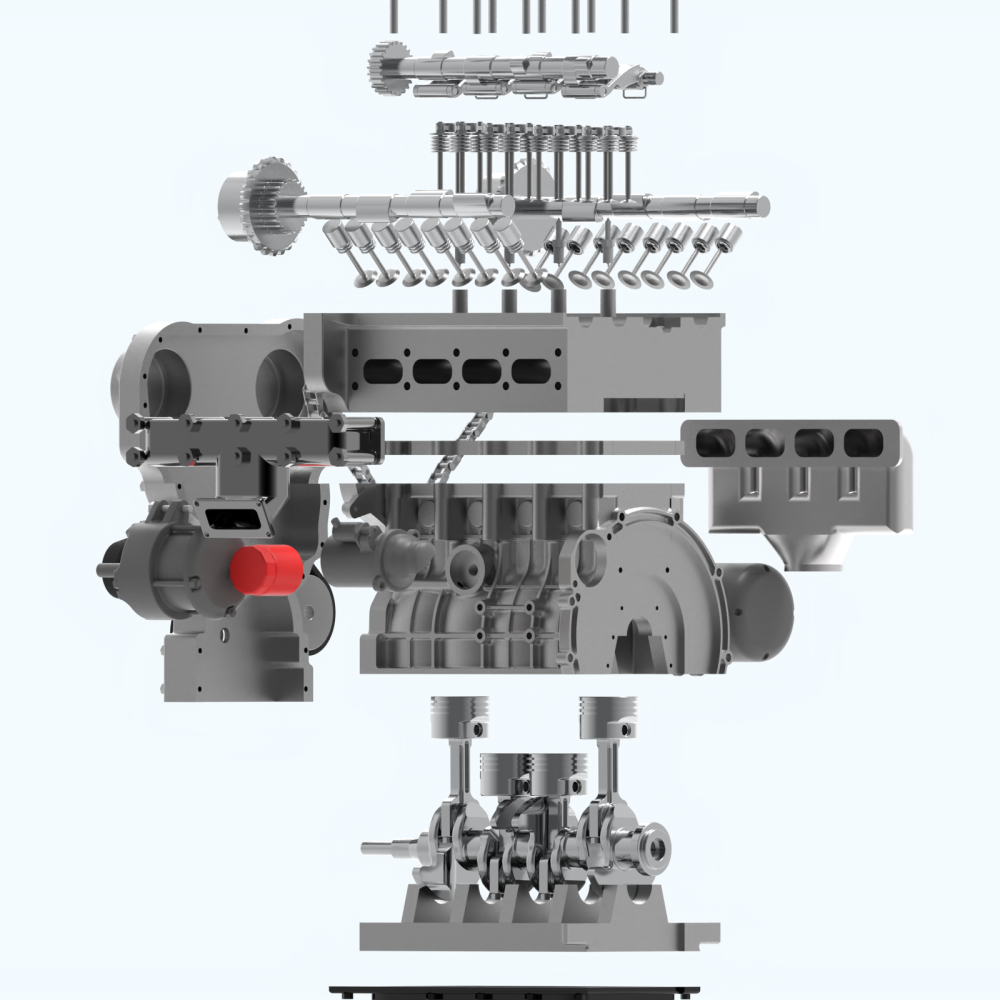
Operational Benefits and Market Impact:
The small engine sector stands to gain the most from Dynamic Flow hot internal EGR technology. For instance, a 6.0-liter Dynamic Flow engine utilizing hot internal recirculation can deliver significantly higher performance and fuel efficiency than a conventional 2.0-liter engine, or even outperform smaller displacement designs while using far less fuel. Beyond pure efficiency gains, building larger yet highly fuel-efficient engines substantially enhances powertrain reliability. Because a larger displacement engine does not need to operate at high RPMs to match the power output of a stressed smaller engine, running at lower speeds reduces mechanical wear and contributes directly to greater engine longevity.