Our Technology
Dynamic Flow Engine
44% More Power. 75% Thermal Efficiency. Zero Compromise. Meet the breakthrough 4-stroke engine architecture from Dynamic Alpha Automotive Technology. By eliminating the century-old bottlenecks of standard valve design, we have created an engine that generates dramatically higher output while extracting maximum energy from every drop of fuel. The next evolution in sustainable transportation performance has arrived.
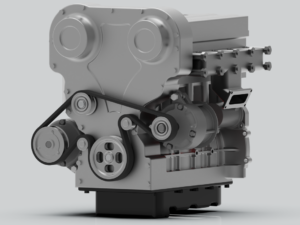
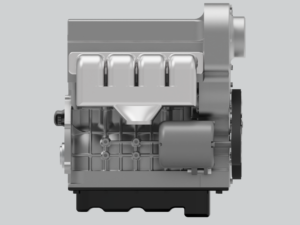
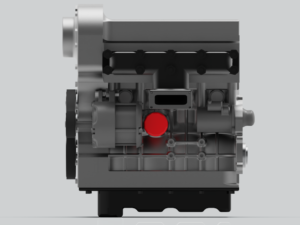

Dynamic Alpha Automotive Technology has successfully built and validated its first working prototype, proving the feasibility of an integrated hot internal EGR system running on gasoline. This milestone establishes a strong foundation for the Dynamic Flow engine and highlights the potential of hot internal EGR technology to boost thermal efficiency, emissions performance, and flexibility in compact, lightweight combustion engines.
Dynamic Flow Engine First Prototype Test Run
Prototype Test Run #1
Prototype Test Run #2
Prototype Test Run #3
Dynamic Flow Engine Features Informational Video
Gas Flow Capacity
EVIC Atkinson Cycle
Variable Displacement
Uncompromised
Performance
For over a century, combustion engines have propelled vehicles, but a physical bottleneck – limited airflow – restricts their power potential. Dynamic Flow technology emerges as a game-changer. By surpassing traditional 4-stroke engine airflow limitations, Dynamic Flow engines unlock a new era of performance.
Broad
Application
Dynamic Flow engine technology versatility allows it to revolutionize a wide range of transportation sectors. This innovative engine transcends the limitations of both current 2-stroke and 4-stroke engine. Dynamic Flow engines promise significant improvement in efficiency across the board and ensure cleaner emissions for a sustainable future.


Simplify
Integral Features
Conventional combustion engines rely on complex external systems to compensate for inherent design limits. These add-ons increase weight, manufacturing costs, and parasitic losses that drag down efficiency. By fixing these core deficiencies internally, the Dynamic Flow engine eliminates external components—delivering a lighter, simpler, and far more cost-effective powertrain.
Past Combustion Engine Development
Thermal Efficiency
Internal combustion engines have driven global progress since 1876. However, incremental improvements are no longer enough—major breakthroughs in engine efficiency are vital to lowering emissions and environmental impact.

Global
Emission
The transportation sector is a critical driver of global economic growth, but it also comes with a significant environmental cost. It’s the leading source of air pollution in many countries, emitting harmful greenhouse gases like carbon dioxide and nitrogen oxides that contribute to climate change and respiratory illnesses. Finding cleaner and more efficient transportation solutions is crucial for building a sustainable future.
Our Mission
Brighter Future
Tackling climate change demands real innovation. We leverage our deep strength in engine technology to make combustion cleaner and more efficient, significantly shrinking environmental impact while accelerating the transition to a sustainable tomorrow.